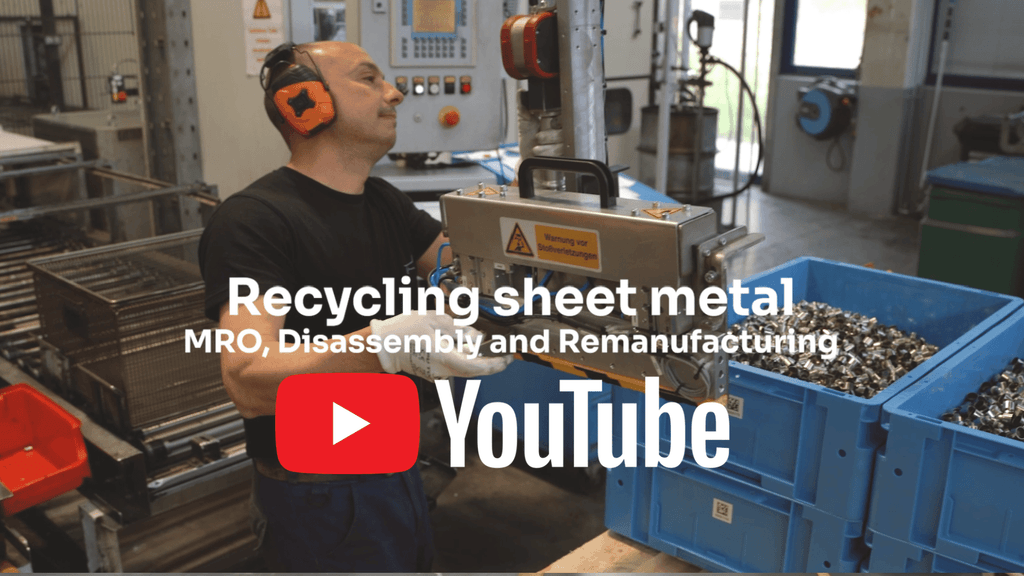
From scrap to new parts: how COMPASS gives sheet metal a second life | Demo video #1
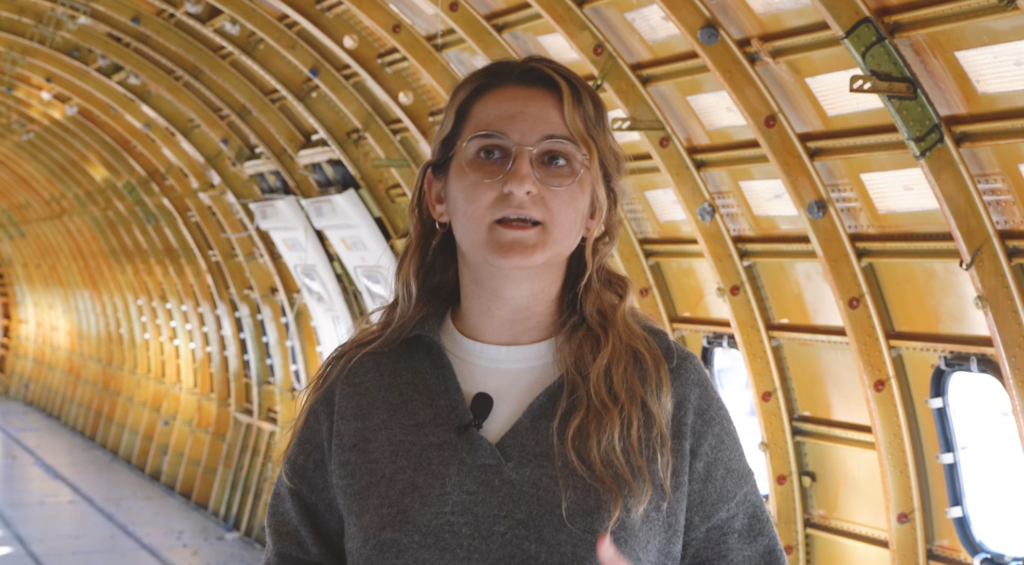
A new COMPASS video follows sheet metal along the whole circular chain: from the dismantling of an aircraft and the scrap of a press line to new formed parts, with the Digital Product Passport carrying the data from one step to the next.
When an aircraft reaches the end of its life, it is disassembled and its materials are separated: titanium, steel, aluminium. Most of the metal is then sent to the smelter. Yet a large share of an aircraft’s weight is in its fuselage, which is essentially made of thin sheets. These sheets could be used again as they are, instead of being melted.
This is the idea COMPASS applies to sheet metal, from both aircraft and cars. In the project’s new video, the partners working on this use case explain how they find the right material, cut it, and form it into new parts.
Dismantling with data
The first question is how to cut the sheets out of the aircraft in the most efficient way. COMPASS has developed two digital tools for this step.
The dismantling assistant uses augmented reality to guide the worker. It aligns the view of the inside and the outside of the fuselage, keeps the tracking aligned, and shows relevant information in real time directly in the worker’s field of view. The tool is designed for aerospace, but it is also relevant for the automotive sector, where giving materials a second life is just as crucial.
The cutting planner generates the optimal cutting trajectory. It takes its input from the Digital Product Passport (DPP), which contains the information needed to plan the cut. It is one of three tools presented in the video by the same team, together with a fibre sensor that monitors composite parts during manufacturing and a manual repair assistant that tracks repairs during the life of a part.
Scrap from the press line as a resource
End-of-life parts are not the only source of material. Automotive manufacturing produces large amounts of blanking and stamping scrap, and part of it is suitable for reforming. In COMPASS, the industrial partners evaluate this scrap and use it to make new parts.
Working with scrap is different from working with new material, and the video names two main differences:
- Changing properties. Scrap does not come with the constant properties of a new coil. They vary from piece to piece, so the press process has to be adapted.
- Closer process control. Because the material differs from what the tools were designed for, the forming process must be watched much more closely.
To convert scrap into reformed parts, the manufacturer needs to know its composition, its thickness, the outline of its shape and whether it has already been surface treated. All this information is transferred through the Digital Product Passport. It replaces the traditional route, in which scrap simply goes back to the steel or aluminium producer by truck.
Forming new parts from used material
Developing the processes and toolsets for reforming end-of-life material from automotive and aerospace is a research task in its own right. The first challenge is to select the right areas of a used part: they should have no previous deformation and should be free of features that make them unusable. In addition, the formability of end-of-life material is lower than that of new material, so special processes are required.
The effort pays off in energy. Recycling aluminium already saves most of the energy needed for primary production. Remanufacturing saves more: new parts are formed directly from end-of-life sheet, bypassing the energy-intensive remelting step.
Two tools to plan the second life
Two software tools support the remanufacturer in this work:
- The sheet metal reforming calculator helps to select the right scrap and to find the ideal process route for reforming it.
- The remanufacturing process planner provides the engineering approach for data-driven and partially automated remanufacturing. It evaluates scan data, identifies the usable areas of the material and supports the placement of new components in a way that increases material efficiency.
Together they contribute to what the project is aiming for: a production that uses fewer resources and generates fewer emissions, with parts that manufacturers can offer to their customers with a much lower footprint than parts made from new sheet.
Watch the video
The video is available on the COMPASS YouTube channel: https://youtu.be/fnJVwTORZcg?si=gk7iWASjvGjmOsVE